

Ladakh: A Smart Itinerary Guide for Perfect Acclimatization
Planning a trip to Ladakh is a bucket-list dream, but it requires a very specific travel strategy. Unlike standard hill stations where you choose a hotel based on the view or proximity to a market, choosing where to stay in Ladakh is a matter of geography and oxygen. Landing in Leh at 11,500 ft. means your first 48 hours dictate the health of your entire trip. Rushing straight into high-altitude camps at Pangong Tso 14,270 ft. without proper acclimatization is a recipe for altitude sickness (AMS).
An itinerary-mapped guide balances acclimatization, geographic efficiency, and accommodation costs—ranging from budget gems to the absolute pinnacle of wild luxury.
Phase 1: Acclimatization Central (Leh & Nimmu)
- Altitude: 11,500 ft.
- The Strategy: Absolutely mandatory for your first 2–3 days. Do not cross any high passes yet. Rest, hydrate, and limit activity to light evening walks.
Where to Stay based on Budget:
The Luxury Splurge (₹15,000 - ₹22,000/night): The Grand Dragon Ladakh

Why it fits: Consistently ranked as a top luxury stay on TripAdvisor, this hotel features central heating and internal oxygen backups. It gives you maximum physical comfort when your body is adjusting to the thin air.
The Cultural/Boutique Vibe (₹8,000 - ₹14,000/night): Nimmu House or Ladakh Sarai (Leh)


Why it fits: Located slightly lower than Leh in the fruit-orchard haven of Nimmu, Nimmu House offers a peaceful heritage escape. Alternatively, the flagship Ladakh Sarai provides traditional mud-and-stone architecture, wrapping you in Ladakhi history while keeping you close to the central medical hubs of Leh.
The Value Pick (₹2,500 - ₹5,000/night): Standard Leh Guest Houses (e.g., Jimmy's Homestay or Singge Palace )


Why it fits: If you are conserving cash for later glamping phases, Leh is the best place to go budget-friendly. Highly rated TripAdvisor guest houses offer clean, sunlit rooms, home-cooked food, and incredibly supportive local hosts who monitor your health.
Phase 2: The Soft Valley Drop (Nubra Valley & Hunder)
- Altitude: 10,000 ft. (Lower than Leh!)
- The Strategy: After acclimating in Leh, you cross the Khardung La pass 17,582 ft. (approx) and drop down into the sprawling cold desert of Nubra. Because Nubra is lower than Leh, it is the perfect place to sleep soundly, enjoy warmer weather, and explore sand dunes.
Where to Stay based on Budget:
The Luxury Eco-Resort (₹12,000 - ₹18,000/night): Lchang Nang Retreat - The House of Trees

Why it fits: Run entirely on solar power and local architecture, this property offers absolute bliss with organic gardens and private sit-outs. It is an ideal sanctuary for couples or slow-travelers.
The Premium Camp Vibe (₹6,000 - ₹10,000/night): Nubra Ecolodge (Sumur) or Stone Hedge Hotel


Why it fits: If you want the classic "luxury tent" aesthetic without paying astronomical fees, these camps give you sweeping riverbed views and immediate access to the camel safaris, balanced with modern attached bathrooms.
The Budget Oasis (₹2,000 - ₹4,000/night): Hunder Village Homestays like Apple Nubra Cottage

Why it fits: Hunder is packed with local family-run homestays. Booking a simple room here allows you to experience authentic Ladakhi hospitality, eat fresh local vegetables, and explore the dunes on foot.
Phase 3: The High-Altitude Splurge (Pangong Tso & Hanle)
- Altitude: 14,270 ft.
- The Strategy: Now that your lungs are fully adjusted (Day 5 or 6), you are ready for the bone-chilling nights and majestic vistas of the high-altitude saline lakes. Do not cut costs excessively here; insulation matters.
Where to Stay based on Budget:
The Glamping Splurge (₹10,000 - ₹15,000/night): Watermark Resort / Pangong Retreat

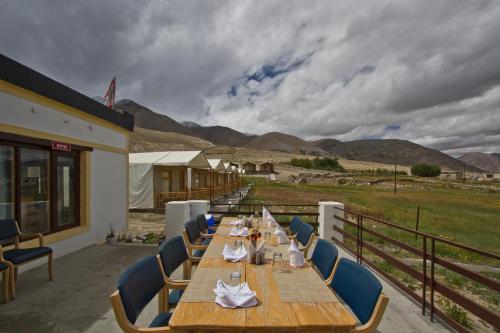
Why it fits: Nights at Pangong drop below freezing even in summer. Splurging on premium, insulated geodesic domes or luxury wooden cottages on TripAdvisor ensures you don't freeze. It places you right on the lake’s edge for sunrise colors.
The Value / Homestay Route (₹1,500 - ₹3,500/night): Spangmik or Man Village Homestays
Why it fits: Due to eco-regulations, basic brick-and-mortar homestays run by villagers are highly recommended for budget travelers. They provide heavy blankets, hot traditional Thukpa, and a far more eco-conscious footprint than illegal lakeside pop-up tents.
Phase 4: The Wild Frontier (Zanskar Valley Glamping)
- Altitude: Varies 12,000 ft. - 13,000 ft.
- The Strategy: For travelers who have already seen the classic loop and want to venture into the raw, rugged, and historically inaccessible terrain of the Zanskar Valley.
The Game-Changing Stay:
The Ultimate Offbeat Luxury (Premium Splurge): Tara Mountain Sarai (Purne, Zanskar)
The Vibe: As highlighted by CN Traveller, this exclusive five-tent luxury glamping site is a milestone for remote hospitality. Tucked away on a mountainside farm in Purne, where the Tsarap and Kargyak rivers converge, it bridges the gap between extreme wilderness and high-end comfort.
Why it's worth it: Historically, exploring Zanskar required intense trekking and roughing it out in basic, unheated local rooms. Tara Himalayan Sarai introduces eco-sensitive boutique glamping to the region. It allows adventurers to trek to the famous Phugtal Monastery or navigate the wild river loops during the day, and return to premium bedding, curated food, and hot water at night. It is the perfect anchor for a high-end, off-the-beaten-path itinerary.
💡 Summary Checklist for Booking:
Days 1–2 (Leh):
Prioritize properties with oxygen facilities and room service (Budget: Leh Guest House | Luxury: Grand Dragon).
Days 3–4 (Nubra):
Choose location and space over extreme insulation (Budget: Hunder Homestays | Luxury: Lchang Nang).
Days 5–6 (Pangong):
Prioritize heating and insulation over everything else (Budget: Village Homestays | Luxury: Insulated Domes).
The Extension (Zanskar):
Experience the ultimate frontier luxury by booking a boutique experience like Tara Himalayan Sarai.